Signed in as:
filler@godaddy.com
Repotting is more than just moving a plant into a new pot — it’s about giving your plant the space it needs to continue growing strong and healthy. Over time, roots outgrow their containers, soil breaks down, and nutrients get depleted. When that happens, your plant starts asking for a little more room to breathe.
Think of repotting as a fresh start.
New soil.
More space.
Better support.
And just like us, sometimes plants need change in order to thrive.
Why We Repot
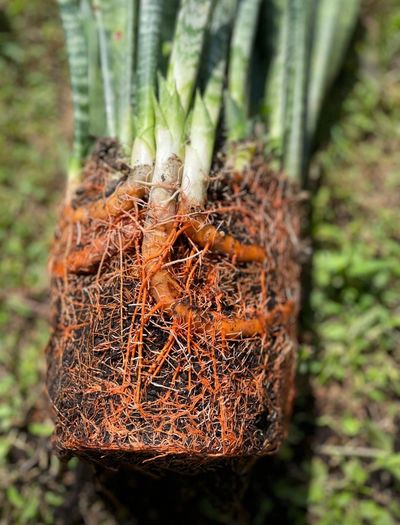
Plants are constantly growing — even when we can’t see it. As roots expand, they can become crowded and tangled inside their pots. When this happens, water and nutrients can’t move through the soil as easily, which can slow down growth and cause stress.
Repotting helps:
A well-timed repot can completely transform a struggling plant.
When Is the Best Time to Repot?
The best time to repot most houseplants is spring or early summer, when plants are actively growing. This gives them the energy to recover quickly and adjust to their new space.
Signs your plant may be ready to repot include:
If you see these signs, your plant is probably asking for a little more room.
The Best Tools & Soil to Use
You don’t need anything fancy — just the right materials.
Here’s what we recommend:
For tropical plants, we love using Happy Frog or Ocean Forest soil. These mixes are rich, airy, and packed with nutrients that support healthy root growth.
To improve drainage and keep roots happy, we also like to add orchid bark to the soil mix. If you don’t have orchid bark, small gravel or rocks work just fine — the goal is simply to create air pockets so roots don’t sit in soggy soil.
How to Repot Your Plant
After repotting, give your plant a little time to adjust. A little drooping or tiredness is normal — it’s just getting settled into its new space.
One More Root Life Note
A lot of people prefer to repot with gloves — and that’s perfectly okay. But personally, I like to use my bare hands. There’s something grounding about feeling the soil, connecting with the roots, and being fully present in the moment.
If you’re curious why that matters, you can learn more on our Mental Health & Plants page — it’s all part of the same journey.
A Final Thought
Repotting isn’t just plant care — it’s plant compassion.
It’s listening when something living tells you it’s ready for more room to grow.
At Root Life, we believe growth happens when roots are supported, nourished, and given space. Whether you’re repotting a plant or navigating a season of change yourself, remember sometimes all it takes is a little more room to thrive 🌱Repotting is more than just moving a plant into a new pot — it’s about giving your plant the space it needs to continue growing strong and healthy. Over time, roots outgrow their containers, soil breaks down, and nutrients get depleted. When that happens, your plant starts asking for a little more room to breathe.
Think of repotting as a fresh start.
New soil.
More space.
Better support.
And just like us, sometimes plants need change in order to thrive.
Why We Repot
Plants are constantly growing — even when we can’t see it. As roots expand, they can become crowded and tangled inside their pots. When this happens, water and nutrients can’t move through the soil as easily, which can slow down growth and cause stress.
Repotting helps:
A well-timed repot can completely transform a struggling plant.
When Is the Best Time to Repot?
The best time to repot most houseplants is spring or early summer, when plants are actively growing. This gives them the energy to recover quickly and adjust to their new space.
Signs your plant may be ready to repot include:
If you see these signs, your plant is probably asking for a little more room.
The Best Tools & Soil to Use
You don’t need anything fancy — just the right materials.
Here’s what we recommend:
For tropical plants, we love using Happy Frog or Ocean Forest soil. These mixes are rich, airy, and packed with nutrients that support healthy root growth.
To improve drainage and keep roots happy, we also like to add orchid bark to the soil mix. If you don’t have orchid bark, small gravel or rocks work just fine — the goal is simply to create air pockets so roots don’t sit in soggy soil.
How to Repot Your Plant
After repotting, give your plant a little time to adjust. A little drooping or tiredness is normal — it’s just getting settled into its new space.
One More Note
A lot of people prefer to repot with gloves — and that’s perfectly okay. But personally, I like to use my bare hands. There’s something grounding about feeling the soil, connecting with the roots, and being fully present in the moment.
If you’re curious why that matters, you can learn more on our Mental Health & Plants page — it’s all part of the same journey.
A Final Thought
Repotting isn’t just plant care — it’s plant compassion.
It’s listening when something living tells you it’s ready for more room to grow.
We believe growth happens when roots are supported, nourished, and given space. Whether you’re repotting a plant or navigating a season of change yourself, remember: sometimes all it takes is a little more room to thrive 🌱

A gift that grows, just like her love
Shop our Mother’s Day collection — made to be felt, not just given..